Cold Room Cost South Africa: What Really Drives the Price?
Ask a supplier for a cold room price over the phone and the honest answer is usually “it depends”. That isn’t evasion. A walk-in cold room is built around your product, your available space and how hard the room will be worked every day, so two rooms with the same floor area can be priced very differently. If you’re budgeting for a new installation, understanding what drives cold room cost in South Africa helps you compare quotes like with like and spend money where it actually counts.
Size and Layout of the Room
Floor area and ceiling height are the obvious starting points, because they determine how many square meters of insulated panel go into the walls, ceiling and, for freezers, the floor. But layout matters almost as much as size. A simple rectangle against an existing wall uses fewer panels and fewer corner details than a free-standing room or an L-shaped design that wraps around columns.
Before you request a quote, it’s worth working through how to choose the right cold room for your business. Getting the size right up front avoids paying to cool empty space, or worse, outgrowing the room within a season.
Temperature Range: Chiller or Freezer
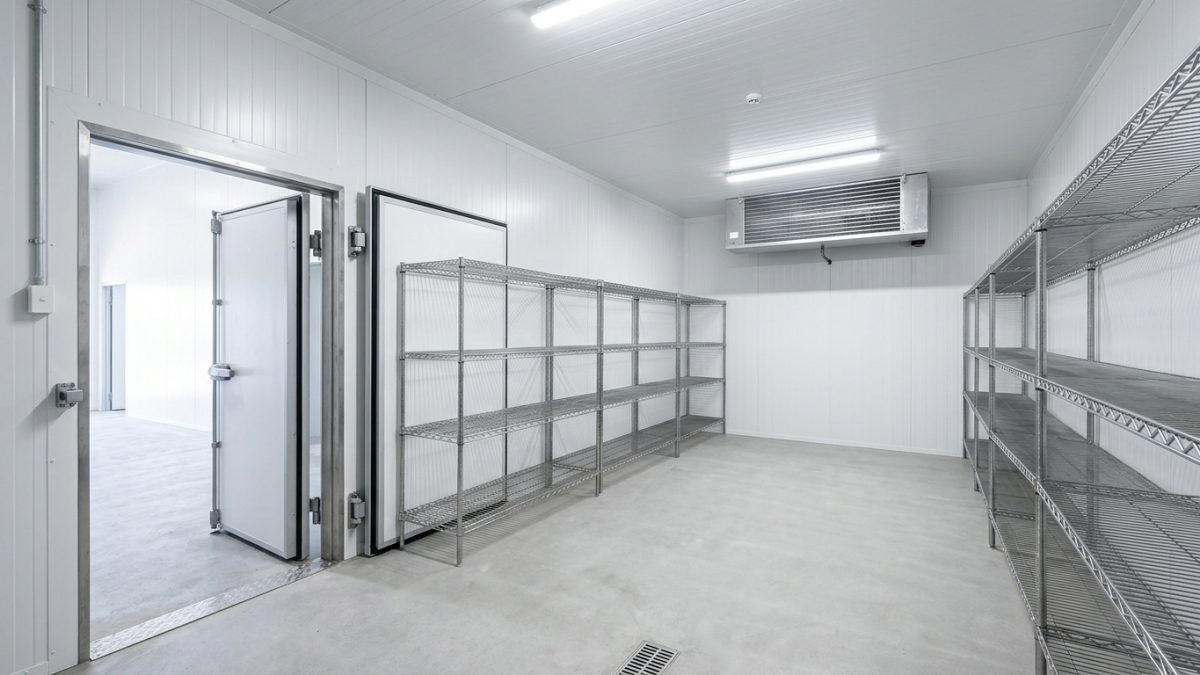
A chiller room holding fresh produce or dairy runs well above zero, while a freezer room storing frozen meat or ice cream runs far below it. The colder the target, the thicker the panel, the more capable the refrigeration plant and the more attention needed on the floor to prevent frost heave. That is why a freezer room of the same size will almost always cost more than a chiller.
Our cold and freezer rooms are specified to the exact temperature band you need, so you’re not paying for freezer-grade insulation on a room that only has to keep vegetables crisp.
Panel Thickness and Finish
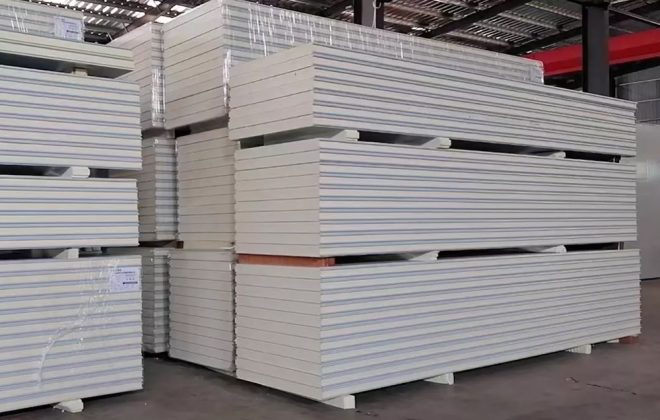
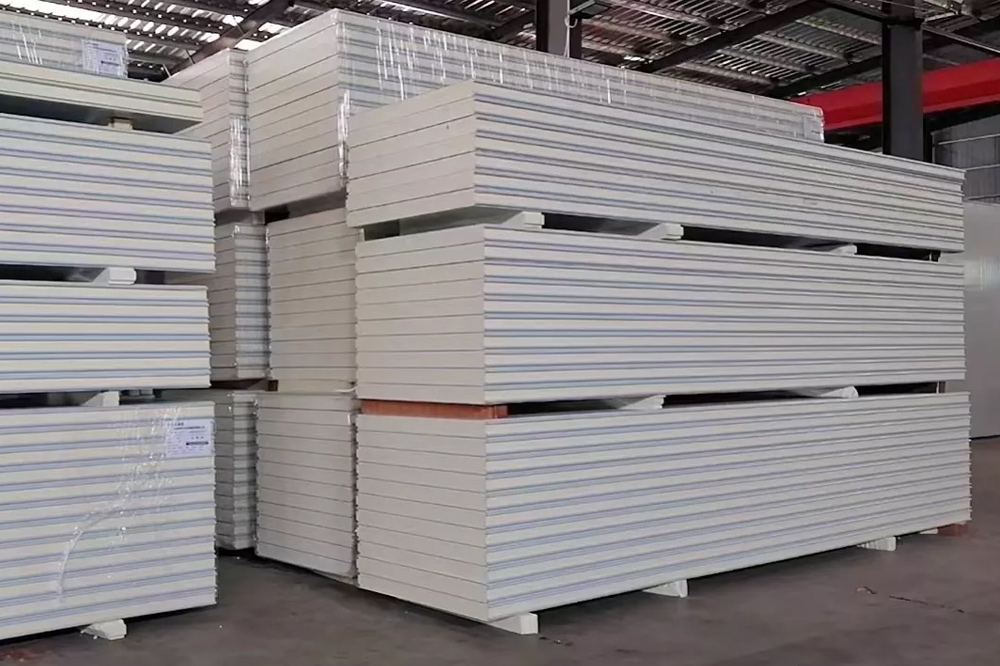
Insulated panel thickness has a direct effect on both the upfront price and your running costs. Thicker panels cost more to manufacture but reduce the load on your refrigeration system for the life of the room. Finish also plays a part: standard pre-painted galvanised steel suits most food storage, while environments with heavy washdowns may call for more hygienic or chemical-resistant finishes.
Because Cool Maintenance manufactures its own panels to SABS and HACCP standards, with custom lengths up to 15 meters, we can match panel thickness and finish precisely to your application rather than forcing a one-size-fits-all product.
Doors, Flooring and Refrigeration
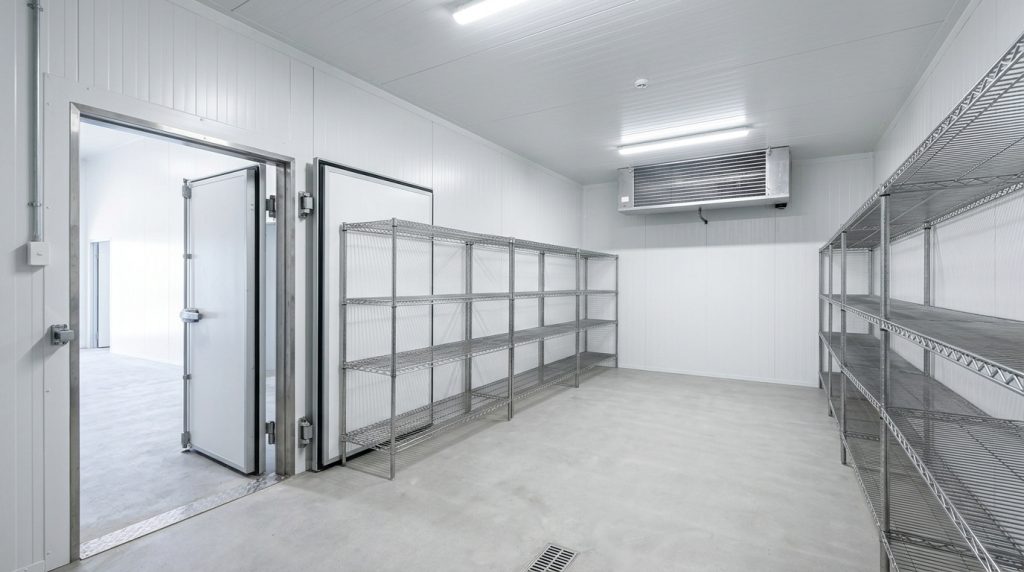
Doors are one of the most underestimated line items. A single hinged door is the most economical option, but a busy distribution room may need sliding doors, strip curtains or a wider opening for pallet jacks. Flooring ranges from an existing concrete slab to insulated, heavy-duty floors rated for forklift traffic.
The refrigeration plant itself, which is sized to the room volume, temperature and how often the doors open, is usually quoted alongside the structure. The South African Institute of Refrigeration and Air Conditioning (SAIRAC) is a useful resource for understanding refrigeration standards and finding qualified practitioners.
Keeping Cold Room Cost in South Africa Under Control
The cheapest quote is rarely the lowest-cost room over ten years. Poorly sealed joints, undersized panels and the wrong doors all show up later as higher electricity bills and product losses. The smartest way to manage cold room cost in South Africa is to ask every supplier for an itemised quote covering panel thickness, finish, door type, flooring and refrigeration, then compare them line by line.
With 33 years of experience building cold storage across the country, our team will walk you through each of those choices and show you where spending a little more now saves you money later.
CONTACT US today for a detailed, itemised cold room quote. We can assist with cold rooms, freezer rooms and insulated panels from our Cape Town and Port Elizabeth plants.